Selecting the right football equipment is not just about compliance with regulations; it's about enhancing performance, ensuring safety, and gaining a psychological edge on the pitch. At JINLANGTE Sports, we engineer every piece of gear with these core principles in mind. Our commitment is to provide athletes, from grassroots to professional levels, with reliable, high-performance equipment that stands up to the demands of the modern game. This guide delves into the essential gear, highlighting the technical specifications that define quality and answering your most common questions.
Understanding the specifications of your gear is crucial for making an informed decision. Below is a detailed look at the core components of a player's kit, featuring JINLANGTE Sports' flagship models.
A high-quality football offers consistent flight, optimal touch, and durability. JINLANGTE Sports footballs are designed using advanced thermal bonding technology for a seamless surface.
Construction: Thermal-bonded panels for a perfectly round shape and waterproof performance.
Cover Material: High-performance textured PU (Polyurethane) for superior grip and feel in all weather conditions.
Bladder: Latex or butyl. Latex offers superior responsiveness and feel but requires more frequent inflation; butyl provides excellent air retention.
Size: Compliant with FIFA standards (Size 5: 68-70 cm circumference, 410-450g weight).
Certification: Available with FIFA QUALITY PRO or FIFA QUALITY marks for official match use.
Q: How often should I replace my football boots?
A: The lifespan depends on frequency of use, playing surface, and quality. High-level players training daily may need new boots every 2-3 months. Recreational players might get a full season or more. Key signs for replacement include: worn-down studs that lose traction, a cracked or separated soleplate, and significant wear on the upper that affects ball control or exposes your foot to injury. Rotating between two pairs can extend the life of each.
Q: What's the difference between FIFA QUALITY PRO and FIFA QUALITY marks on footballs?
A: These are FIFA's highest standards for match balls. FIFA QUALITY PRO is the official mark for professional matches and top-level competitions. Balls with this mark undergo the most rigorous testing for weight, sphericity, water absorption, rebound, and pressure loss. FIFA QUALITY is the standard for all other official matches and is also a mark of exceptional quality. For serious training and amateur matches, a ball with either of these certifications guarantees top-tier performance and consistency.
Q: Are lighter football shoes always better?
A: Not necessarily. While lightweight boots (often under 200g) can enhance speed and reduce fatigue, they sometimes sacrifice durability, protection, and stability. The "best" boot depends on your position and playing style. Strikers and wingers may prioritize lightweight speed, while midfielders and defenders might prefer a slightly more robust boot for durability and protection during tackles. The most critical factor is a proper, comfortable fit that provides adequate support.
Q: What maintenance does a football goal net require?
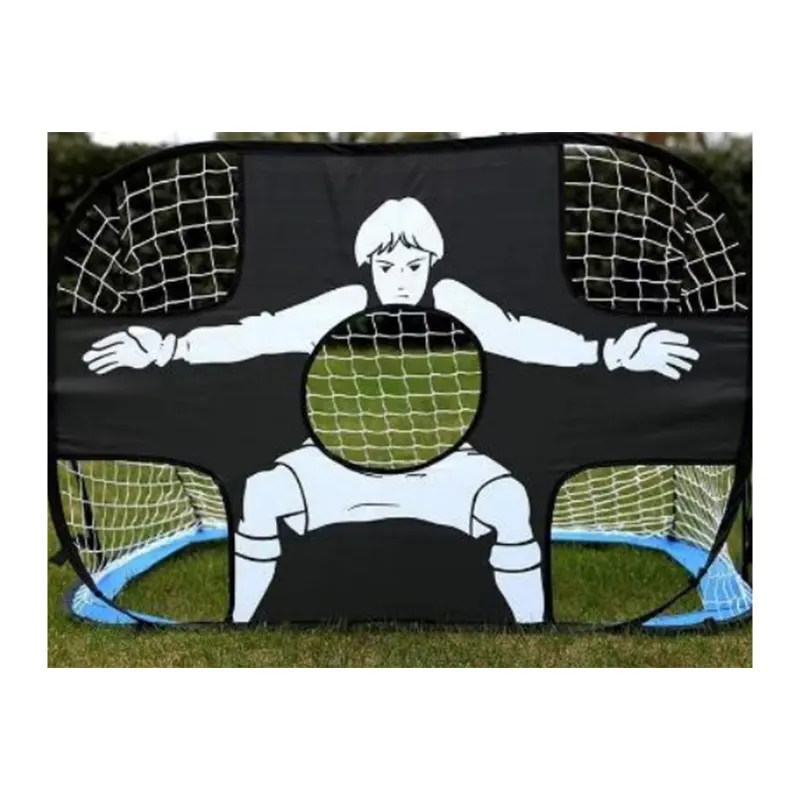
A: Proper maintenance extends net life significantly. Regularly check for and repair small tears before they enlarge. If portable, disassemble and store nets indoors or under cover during prolonged off-seasons or harsh weather to prevent UV degradation. Clean with mild soap and water to remove dirt and debris. For permanent goals, ensure the net is properly tensioned; sagging nets are more prone to snagging and damage. JINLANGTE Sports nets are treated for UV resistance, but minimizing direct sun exposure is always beneficial.
Q: Why are thermal-bonded footballs considered superior to stitched ones?
A: Thermal bonding fuses panels together using heat and adhesive, creating a perfectly smooth, seamless surface. This results in a more consistent spherical shape, truer flight, and eliminates water absorption through stitch holes, making the ball perform consistently in wet conditions. Stitched balls, while often offering a traditional feel, can absorb water, become heavier, and may have slight inconsistencies in shape. For professional and serious amateur play, the precision and weather resistance of thermal-bonded balls make them the superior choice.
Q: Can I use Firm Ground (FG) boots on artificial turf?
A: It is not recommended for regular use. FG boots have longer, conical studs designed to penetrate natural grass. On artificial grass (AG), these studs often cannot penetrate properly, causing the boot to sit on top of the surface. This leads to reduced traction, increased pressure on the studs (which can break), and a higher risk of ankle and knee injuries due to excessive torque. For artificial surfaces, always use boots specifically designed for AG (with numerous shorter studs) or TF (Turf) soles.