Abstract
Modern sports training places heavy emphasis on accessible, durable, and safe auxiliary equipment for athletes ranging from youth school participants to academy‑level professional players. Coaches and sports facility managers seek practical gear that can adapt to diverse indoor and outdoor conditions without frequent replacement. PE Plastic Agility Rings have grown into standard equipment inside soccer academies, school physical education classrooms, fitness gyms and rehabilitation training spaces worldwide. This article explores the intrinsic material advantages of polyethylene, compares performance against alternative training ring materials, reviews safety compliance requirements, observes real‑world field performance across different environments, and explains factory quality‑control mechanisms that support consistent product output. Content serves sports equipment buyers, club procurement staff, physical education instructors and fitness operators evaluating training accessory options.
Table of Contents
- 1. Core Polyethylene Material Properties That Benefit Athletic Drills
- 2. Side‑by‑Side Performance Comparison Against Alternative Training‑Ring Materials
- 3. Global Safety Standards and Environmental Compliance For Training Accessories
- 4. Real‑World Field Performance Across Diverse Training Environments
- 5. Manufacturing Quality Control to Maintain Batch‑to‑Batch Consistency
- Frequently Asked Questions
- Discuss Your Training‑Equipment Requirements
1. Core Polyethylene Material Properties That Benefit Athletic Drills
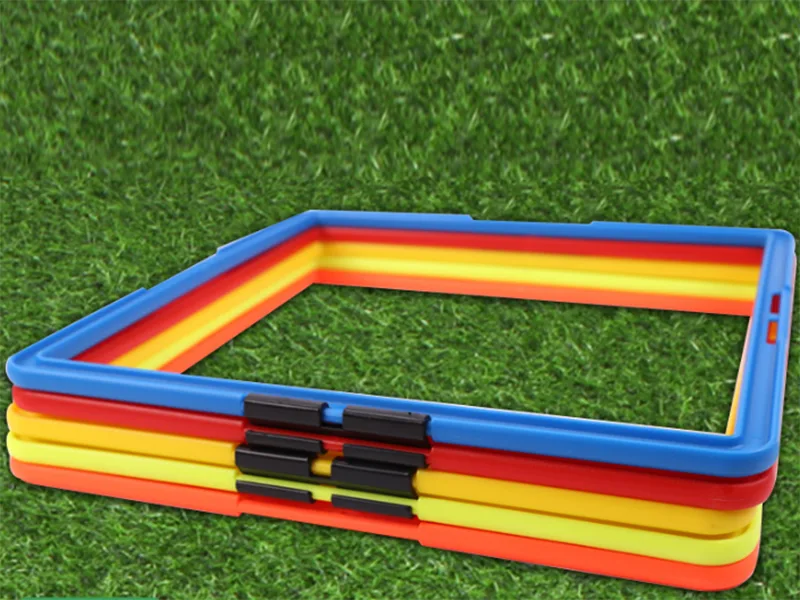
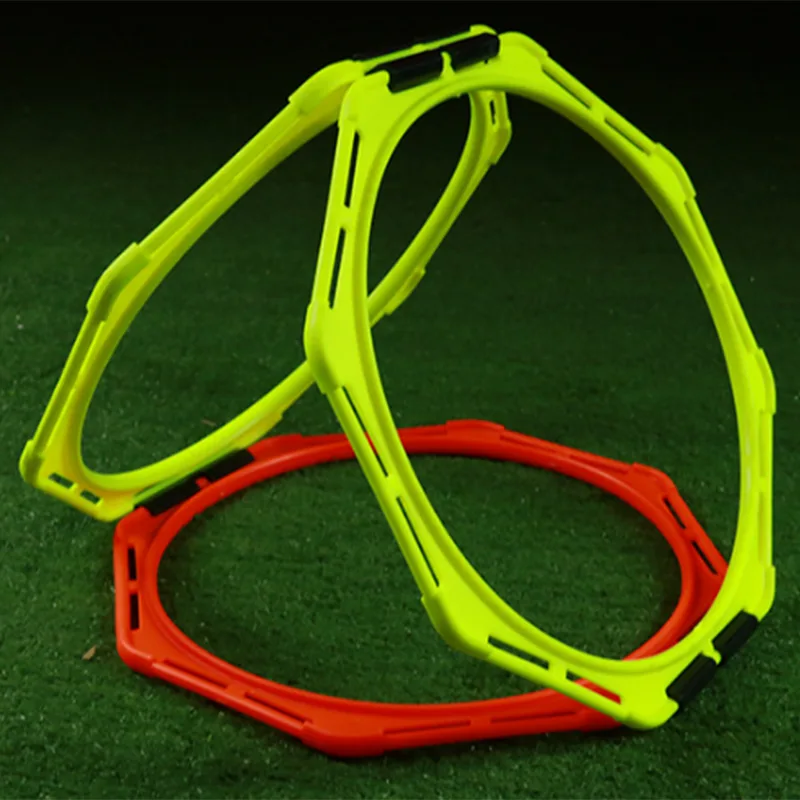
Every piece of repeated‑use sports equipment derives its practical value directly from the physical and chemical characteristics of its base material. Polyethylene, widely shortened to PE, delivers a balanced set of traits well suited for high‑frequency agility training. When coaches lay out circular markers for foot speed drills, lateral movement practice, coordination exercises and youth motor‑skill building, the physical behaviour of the ring directly shapes session flow and long‑term equipment usability.
Many inexpensive marker rings on the market sacrifice key material characteristics to reduce production complexity. Products made from unsuitable raw materials can crack under impact, deform under heat, release unpleasant odours, or lose shape after limited use, interrupting planned training sessions and creating unnecessary replacement cycles for sports facilities.
Natural flexibility with shape‑memory represents one of polyethylene’s most valuable features for agility training. When athletes step onto ring edges, jump across markers or shuffle sideways over placed rings, PE material absorbs mechanical pressure and bounces back toward its original circular outline. This capability prevents permanent deformation after countless stepping impacts. For youth groups or large team training sessions where rings receive constant unintentional foot strikes, this resilience extends usable service life significantly. A well‑made set can go through full seasons of team training without losing its flat circular geometry.
Low moisture absorption brings further practical advantages for outdoor‑focused programmes. Morning dew, rain showers and wet artificial turf cannot add weight to PE structures. Rings will not swell, warp or develop slippery surfaces after contact with water. Coaches can rinse these markers down between training groups, removing dirt and grass residue without damaging product structure. This trait makes cleaning simple for multi‑user school environments and busy club facilities.
- Chemical inertness ensures raw PE remains odour‑free and non‑toxic under normal training‑environment conditions
- Low material density keeps complete ring sets lightweight for easy hand‑carried transport between multiple venues
- Surface structure resists water penetration so wet‑weather outdoor sessions do not degrade ring performance
- Elastic memory restores circular shape even after heavy stacking during storage and transit
Indoor gym settings also benefit from these material properties. Inside poorly‑ventilated sports halls, non‑reactive PE will not emit chemical odours after unpacking. This is particularly meaningful for youth‑focused spaces where children spend extended periods close to training equipment. Light weight means stacked sets place minimal physical burden on coaching staff who move gear between storage rooms and active training zones. PE Plastic Agility Rings combine these material advantages into a single training tool that fits both outdoor grass‑turf fields and polished indoor gym floors.
2. Side‑by‑Side Performance Comparison Against Alternative Training‑Ring Materials
Procurement teams reviewing training marker options will encounter multiple competing material choices on global supply markets. Each alternative brings distinct strengths and inherent drawbacks. Understanding these differences supports informed selection, rather than making purchasing judgements based purely on visual appearance. A ring that looks similar at first glance may perform very differently once exposed to repeated real‑world training stress.
Key performance dimensions for training‑ring material evaluation
Evaluators should observe four core dimensions during material comparison: resistance against low‑temperature brittleness, ability to retain original geometry after repeated force, safety of chemical composition, and handling convenience for coaches moving gear across locations. No single alternative material satisfies all four dimensions as evenly as properly‑formulated virgin polyethylene.
| Material Type | Main Strengths | Notable Limitations In Training Scenarios |
|---|---|---|
| PVC | Low production cost, rigid shape upon manufacturing | Becomes brittle in cold outdoor conditions; may contain plasticizer additives creating odour risks |
| EVA Foam | Extremely soft surface, very light per‑unit weight | Permanent compression under repeated stepping; tears easily on rough artificial turf surfaces |
| Recycled‑blend PE | Lower material expense compared to virgin‑grade PE | Inconsistent polymer composition; higher risk of stress whitening and uneven colour across batches |
| Rubber | Strong surface grip on many ground surfaces | Heavy weight; absorbs moisture and can develop unpleasant odours after long‑term outdoor use |
| Virgin‑Grade PE | Balanced flexibility, impact‑resistant, moisture‑proof, non‑odorous | Requires precise production control to maintain consistent quality across large‑volume orders |
PVC products often appear competitive at initial review, yet suffer critical weaknesses in variable weather. When temperatures drop during autumn and early‑spring outdoor sessions, PVC grows stiff and brittle. Accidental stepping can create sharp cracks that render markers unusable. Plasticizer additives used to improve PVC flexibility can release noticeable smells, creating discomfort inside enclosed gym spaces. These factors limit suitability for youth‑oriented education environments.
EVA foam rings feel soft to touch but cannot sustain high‑volume daily usage. Repeated foot impact creates permanent compression. Markers lose their flat circular outline, delivering unclear visual boundaries for athletes completing speed and coordination drills. Abrasion from rough artificial turf quickly produces surface tearing, shortening usable lifespan significantly.
Recycled‑blend polyethylene introduces another layer of complexity. While recycling supports resource‑conscious goals, mixed‑source recycled polymer brings inconsistent molecular composition. Individual rings within one order may show varying flexibility, increased tendency toward surface whitening under stress, and uneven pigment colour. For organisations that require uniform‑looking equipment for club branding or school physical‑education classes, these variations create practical operational challenges.
Rubber rings offer stable ground grip yet carry substantial weight. Full sets become bulky during transport between multiple training venues. Rubber also absorbs water and organic debris, gradually building up odour after prolonged outdoor exposure. For coaches that regularly pack and carry large quantities of markers, heavy rubber creates unnecessary physical workload. PE Plastic Agility Rings avoid many of these practical downsides while retaining core marker‑ring functionality.
3. Global Safety Standards and Environmental Compliance For Training Accessories
Sports markers frequently interact with children and teenagers during supervised school and youth‑academy activities. Safety cannot be treated as an optional feature for mass‑produced training gear. Raw‑material composition, pigment selection and finishing quality must satisfy independent third‑party standards required by different international regions. Compliance work covers chemical safety, physical‑performance testing and factory‑level production oversight.
Certification marks visible on product descriptions represent completed third‑party evaluation. Different geographic markets enforce distinct sets of requirements. Equipment suppliers need to understand destination‑region rules before starting mass production to prevent hold‑ups during customs clearance procedures.
Chemical safety requirements for youth‑used sports equipment
- Base PE material free of harmful additives and volatile odour‑producing compounds
- Heavy‑metal‑free eco‑friendly pigment formulations for ring colouring processes
- Smooth deburred edges eliminating sharp points that could scratch skin or tear sportswear
- Material formulation compatible with indoor enclosed‑space usage without chemical fume release
Coloring represents one area where lower‑grade products create hidden risks. Cheap pigments may contain heavy‑metal components. When young participants repeatedly handle markers during PE lessons, these substances create avoidable exposure risks. Qualified production workflows select pigments that satisfy international limits for heavy‑metal content while maintaining strong UV‑fading resistance. Bright ring colours stay vivid after long hours of outdoor sunlight exposure, supporting clear visibility during fast‑moving athletic drills.
Multiple certification frameworks apply across global markets. European‑market‑oriented production may meet CE, GS and REACH requirements. North‑American shipments follow CPSIA and ASTM testing standards. Additional regional requirements such as SASO apply for Middle‑East destinations. Each set defines limits for hazardous substance content and sets minimum physical‑performance benchmarks. A manufacturer with broad export experience can align production parameters with target‑market regulatory expectations. PE Plastic Agility Rings built for international export pass these multi‑faceted evaluation frameworks before shipment leaves manufacturing facilities.
Beyond product‑level testing, factory social and environmental compliance completes the full compliance picture. Responsible production systems monitor waste streams, worker conditions and process‑control protocols. Buyers sourcing large‑volume orders can request supporting certification documentation to verify manufacturing‑site operating standards.
4. Real‑World Field Performance Across Diverse Training Environments
Laboratory material specifications deliver limited insight without proven real‑world usability. Training rings operate under highly variable conditions: intense summer sunlight, cold spring‑season open‑air sessions, abrasive artificial turf surfaces, polished wooden gymnasium floors, and constant stacking‑unstacking cycles during daily coaching work. Observing how equipment behaves within these practical scenarios helps buyers forecast long‑term performance.
Outdoor field‑based training performance
Under direct sun exposure, ultraviolet radiation gradually degrades many plastic products. Quality‑formulated PE paired with UV‑stable pigments resists yellowing and colour fading. Rings maintain high‑visibility bright hues so athletes can quickly recognise marker boundaries even during fast footwork drills. Moisture resistance ensures dew or light rain will not alter ring shape or create slippery surfaces on grass and turf. Even after sitting outdoors for full training seasons, properly‑produced rings retain flat circular geometry without warping.
Cold‑weather outdoor usage creates another practical test. Unlike brittle plastics, PE maintains flexibility through cooler temperature ranges. Coaches can organise early‑spring or late‑autumn outdoor agility sessions without high risk of cracking from accidental foot strikes. This expands the usable training window for sports academies operating in regions with variable seasonal climate.
Indoor gym and multi‑facility deployment
Gym floors represent valuable facility assets. Sharp, rough‑edged training accessories can leave permanent scratches on polished wood or rubberised floor coverings. Deburred smooth ring edges prevent surface damage during normal drill activities.
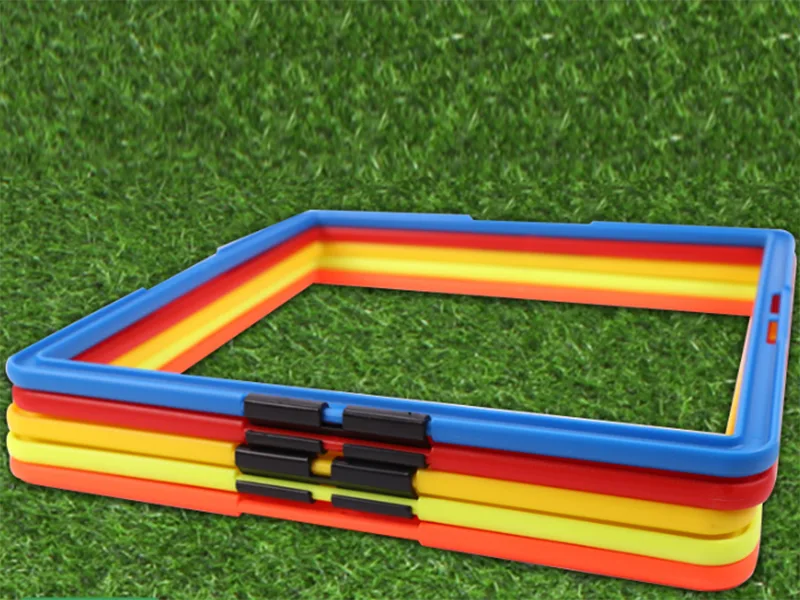
High‑frequency multi‑group usage inside gyms demands easy cleaning workflows. Dirt, dust and rubber particles accumulate on marker surfaces after group fitness classes. Operators can simply wipe or rinse rings clean between user groups. Light‑weight construction simplifies storage; large sets nest compactly when stacked together. Rings do not stick together even after being compressed under the weight of other equipment inside storage cabinets.
Target user‑group application scenarios
- Football and sports academies: daily outdoor drills on grass and artificial turf, demanding UV‑resistance and impact durability
- Schools and youth‑activity programmes: non‑toxic safe handling for minors, bright colours to sustain participant engagement
- Fitness clubs and indoor training centres: floor‑safe edges, easy sanitisation and compact storage for group‑class rotation
- Rehabilitation and balance‑focused training: stable flat profile delivering predictable marker placement for controlled stepping exercises
Each usage scenario puts different forms of stress on training markers. Yet the core requirements stay consistent: equipment must stay safe, keep its shape, remain easy to handle, and hold visual clarity through repeated use. PE Plastic Agility Rings satisfy these overlapping practical needs across this wide spectrum of athletic‑training contexts.
5. Manufacturing Quality Control to Maintain Batch‑to‑Batch Consistency
Even excellent raw‑material specifications can fail to translate into good finished goods without rigorous factory‑level process oversight. For buyers placing recurring large‑volume orders, consistency across separate production batches carries great importance. Sports clubs, school districts and reselling suppliers expect uniform colour, identical physical flexibility and matching edge finishing across every shipment they receive.
Quality management starts long before final finished‑goods inspection. Raw‑material receiving checks verify PE resin grade and pigment batch quality before manufacturing commences. Poor incoming‑material control creates problems that cannot be corrected in later production steps. Experienced factories maintain traceability records for each incoming material batch.
Multi‑stage inspection workflow inside production lines
- Production‑floor‑wide quality awareness among operating staff to catch forming defects at early production phases
- Dedicated independent QC inspection lines to check finished rings against defined product‑specification standards
- Visual check of edge finishing to ensure all units are fully deburred and free of sharp leftover mould flash
- Batch sampling to verify colour consistency, ring flatness and material flexibility across production runs
Inspection capacity matters during peak‑order seasons. When large‑volume orders enter production pipelines, dedicated inspection lines prevent quality‑check bottlenecks that would allow non‑conforming goods to pass through to packing stages. Beyond physical inspection, documentation support brings value for international buyers. Factories can generate inspection reports and product reference photos for each shipment batch upon request. Buyers can review these records before goods depart manufacturing premises.
Long‑term material knowledge also shapes final‑product quality. Factories with many years focused on sports accessory production understand exactly which PE resin grades perform best for agility‑ring applications. They master which pigment formulas resist outdoor UV fading, and which mould‑processing parameters deliver smooth burr‑free edges. Shaoxing Jinlangte Sports Goods Co., Ltd. applies accumulated industry experience to stabilise output quality for global sports‑equipment purchasers.
Frequently Asked Questions
Why select PE material instead of PVC for agility‑training rings?
PE maintains flexibility under wide‑ranging temperature conditions and avoids brittleness in cold weather. It does not require plasticizer additives for flexibility, reducing odour‑related risks for indoor or youth‑focused environments. PVC tends to stiffen and crack under low‑temperature outdoor training and may release chemical smells in enclosed spaces.
Are PE agility rings safe for children in school physical‑education programmes?
Properly manufactured rings use odour‑free non‑toxic PE raw material paired with heavy‑metal‑free pigments. All edges are deburred and smooth. When production follows required international standards such as CE, GS, CPSIA and ASTM, rings are suitable for supervised youth‑group usage.
Will PE‑made training rings crack when used for outdoor training in cold seasons?
Quality PE retains flexibility across typical seasonal outdoor‑training temperature ranges and will not easily crack under normal use. Extremely low temperatures far below regular training‑environment conditions can affect all plastic‑based sports accessories and should be avoided.
Can these rings leave scratches on polished indoor gym floors?
Fully deburred smooth outer edges prevent scratching or gouging for polished wood and rubber‑surfaced gym floors under normal training‑drill conditions. Heavy‑impact abuse outside intended training‑usage may still cause surface damage to any floor‑placed sports accessory.
Can PE agility rings be recycled once they reach the end‑of‑service‑life?
Polyethylene belongs to widely‑recyclable plastic categories. Rings manufactured from pure PE material can enter standard PE recycling streams once retired from training use. Environment‑friendly pigment selections support responsible end‑of‑life material handling.
What factors create colour fading on plastic agility rings?
Prolonged strong ultraviolet sunlight exposure is the primary fading trigger. Products using low‑quality pigments will lose brightness quickly after outdoor deployment. Rings manufactured with UV‑resistant eco‑friendly pigments maintain bright visibility for extended outdoor‑training cycles.